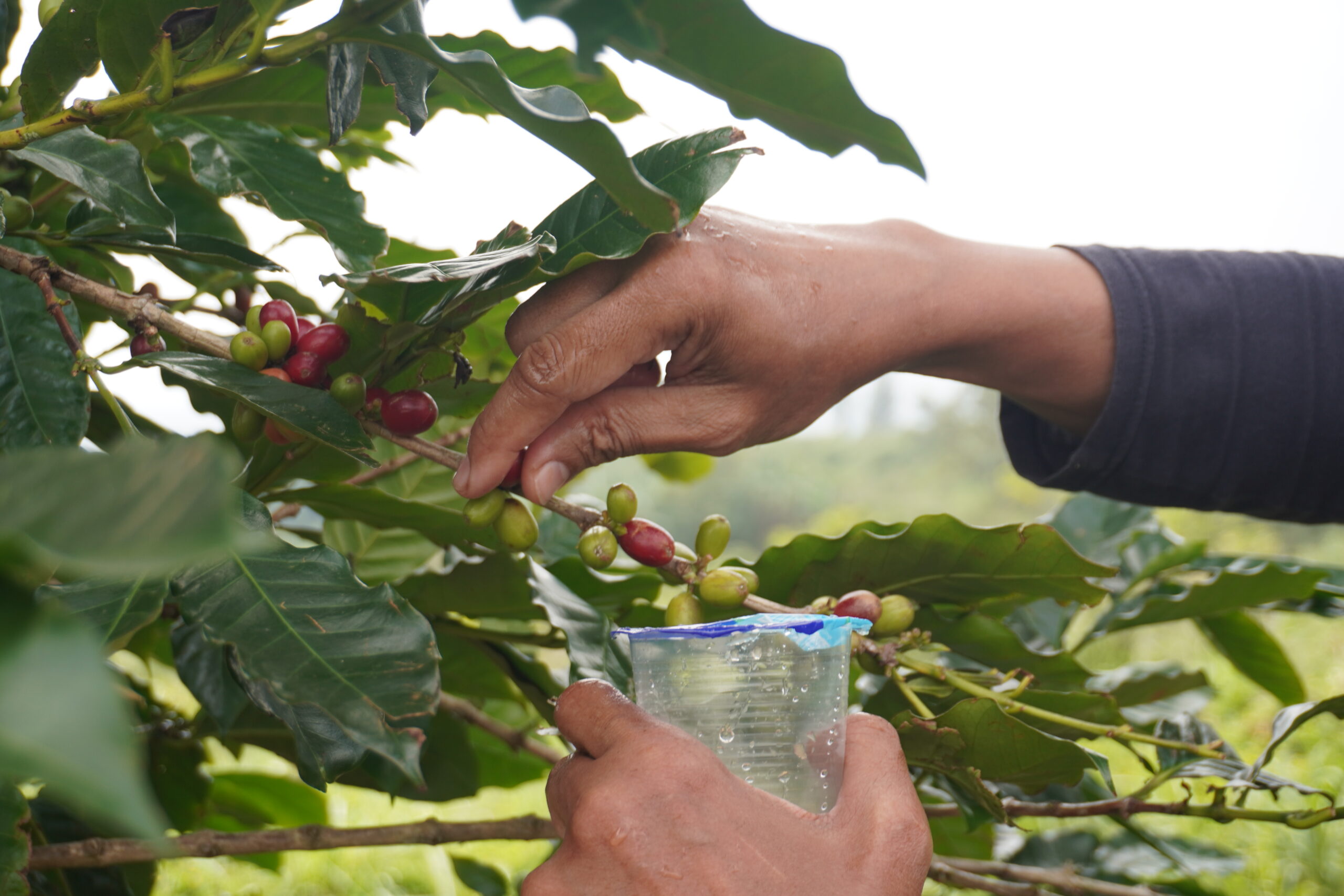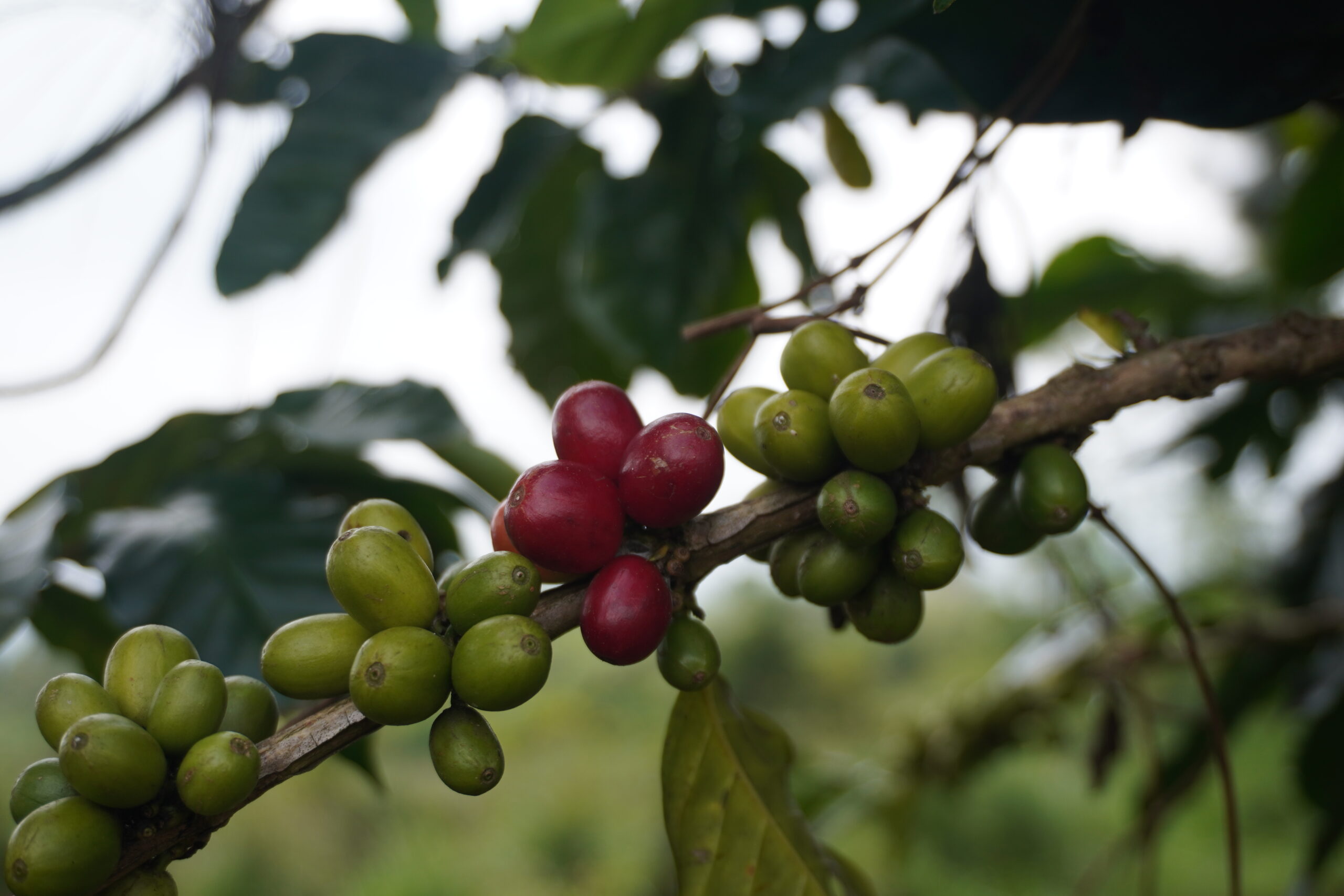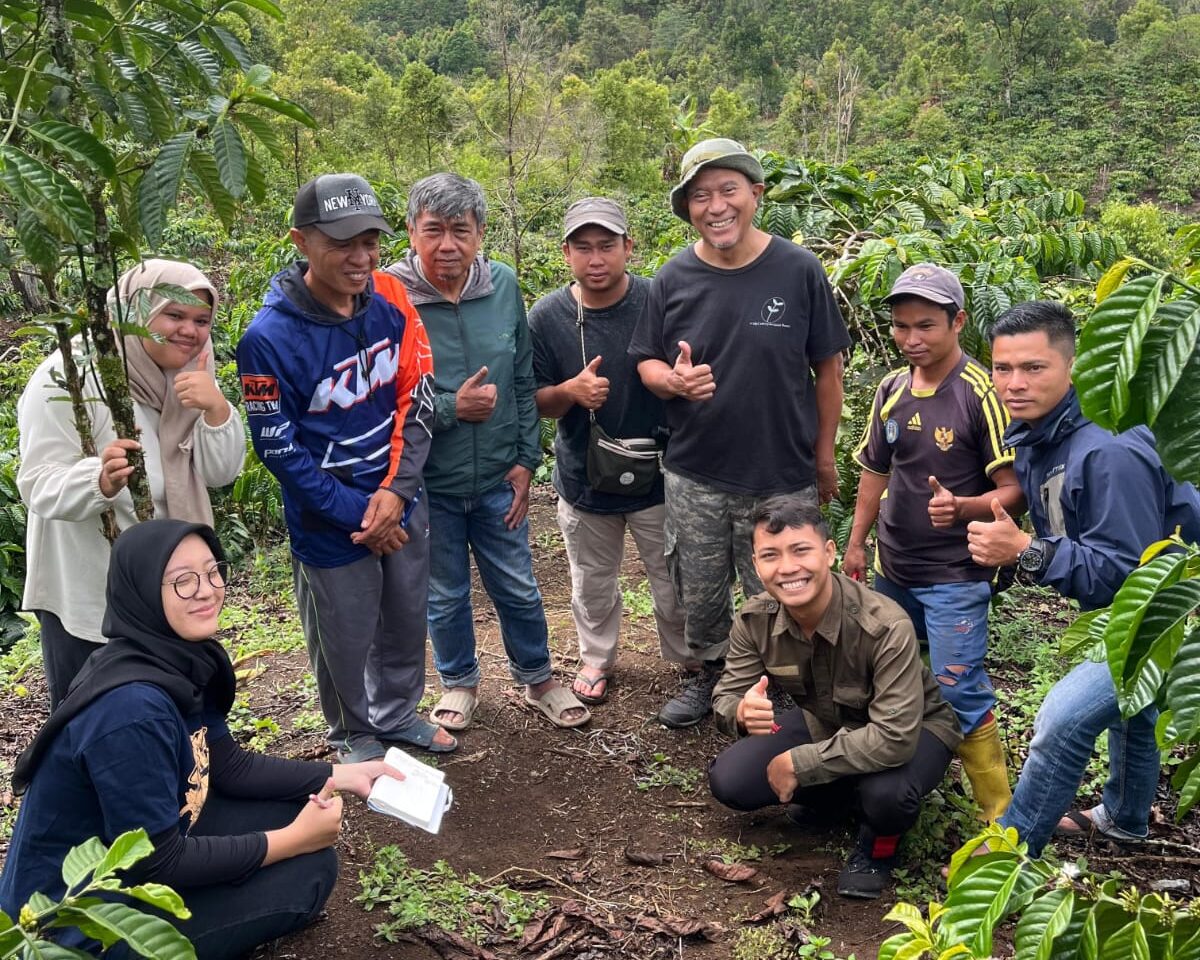
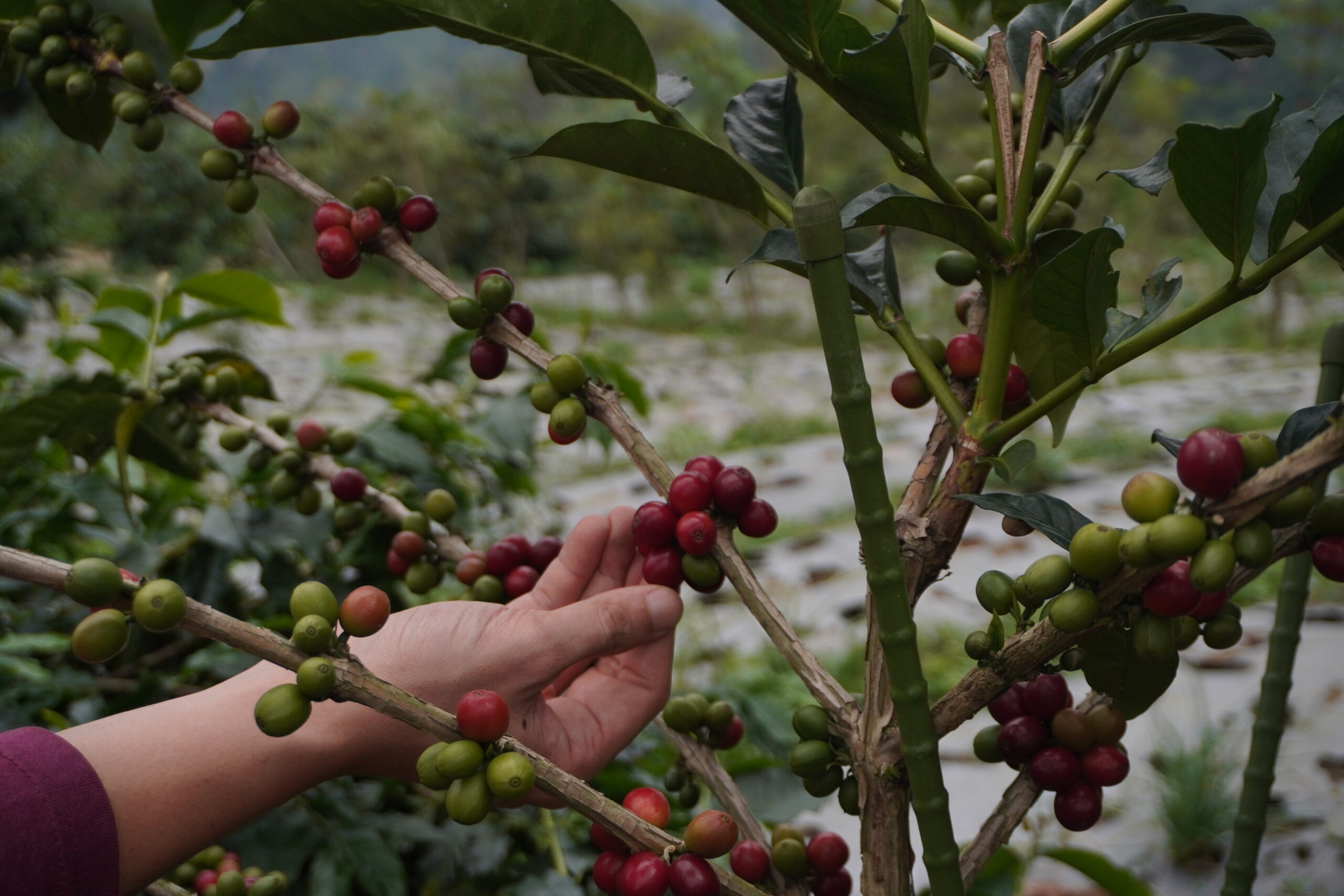
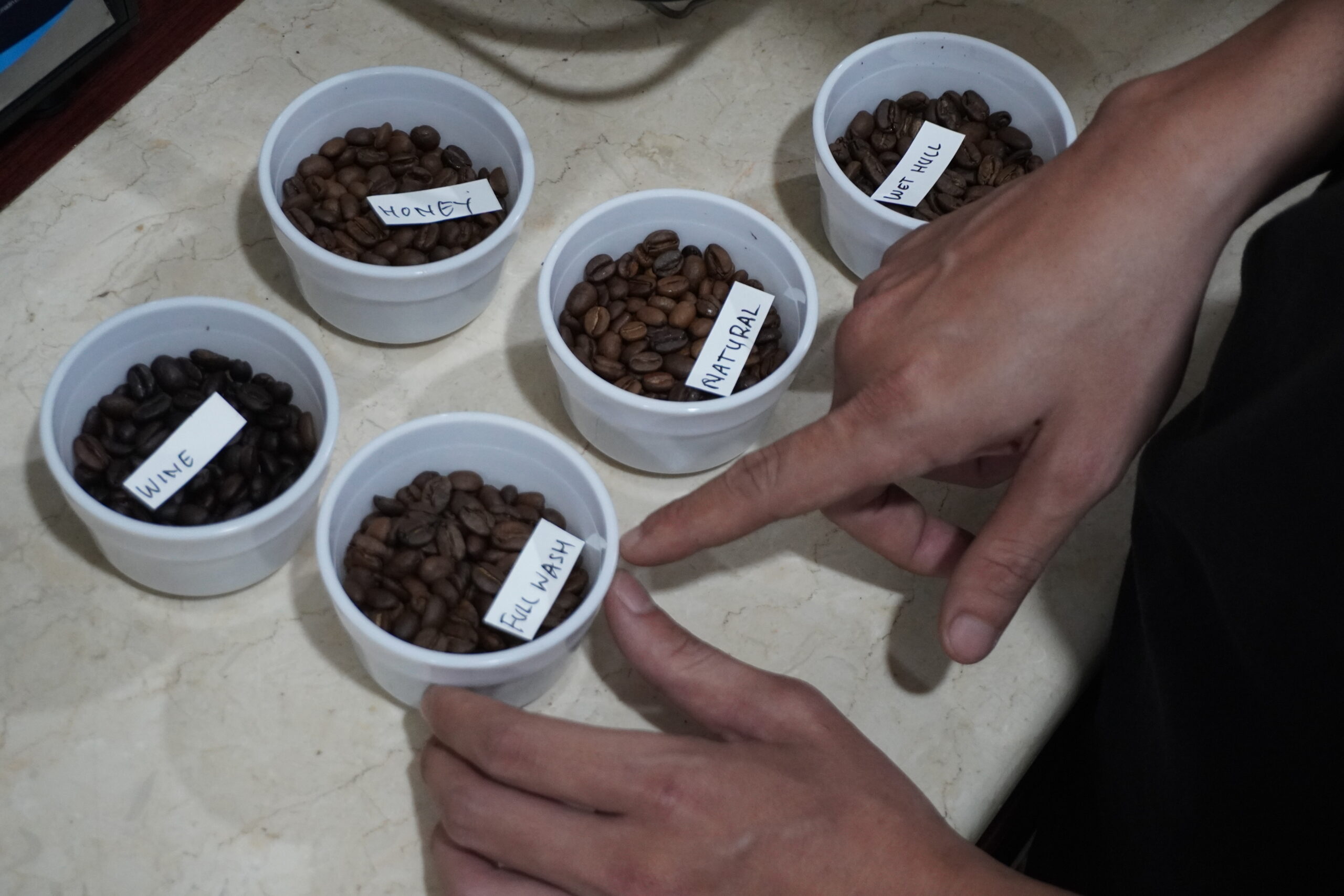
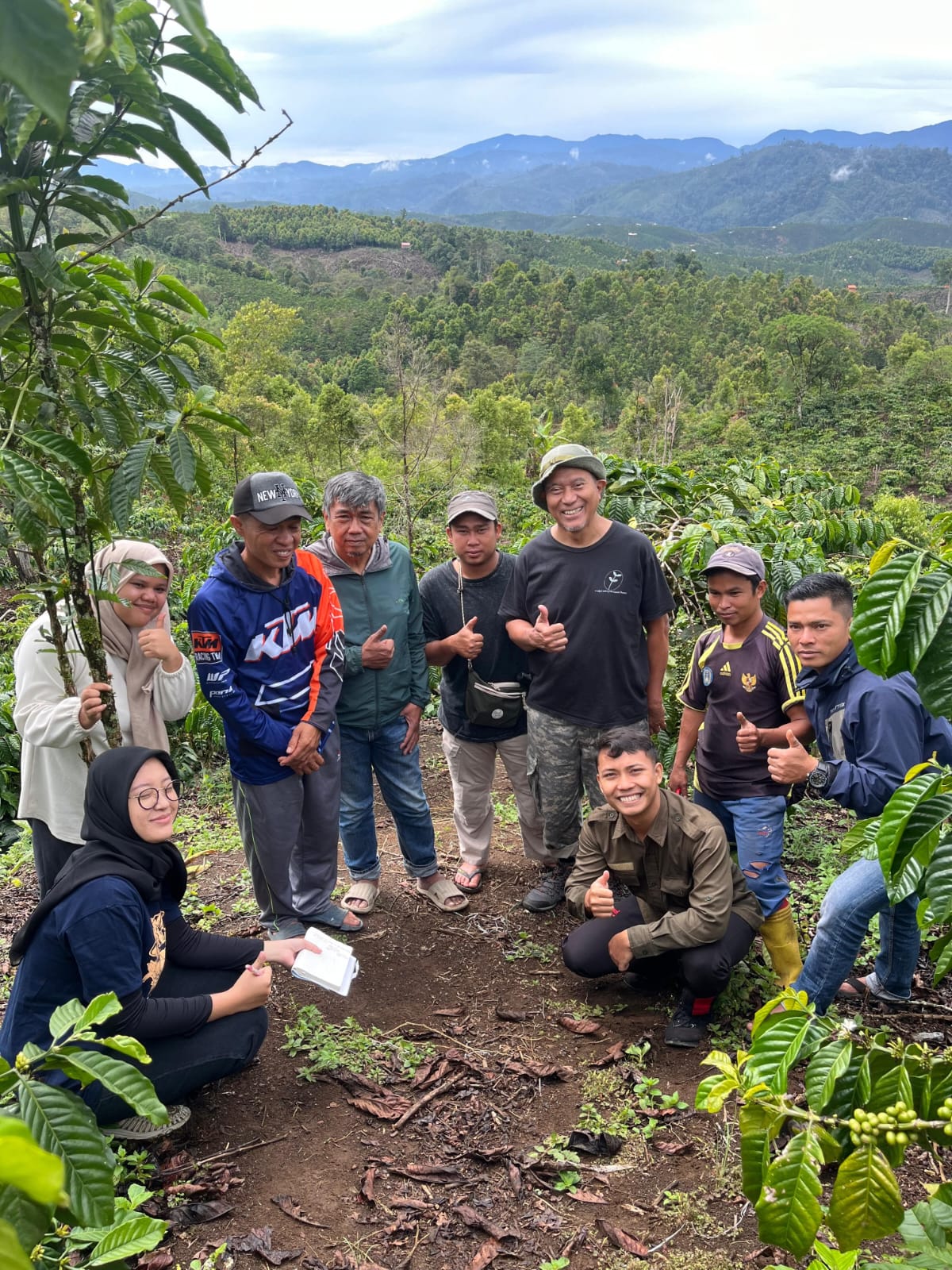
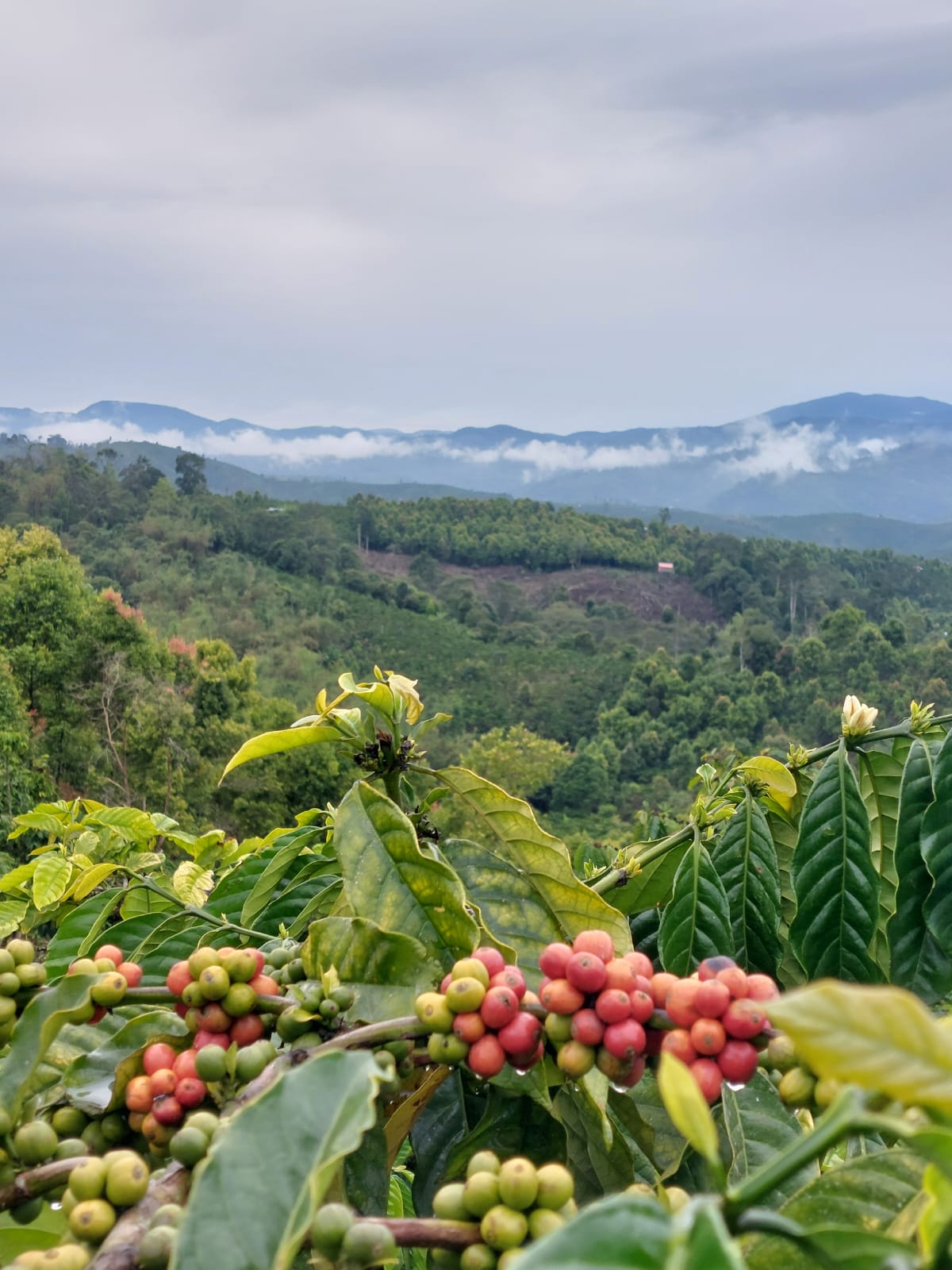
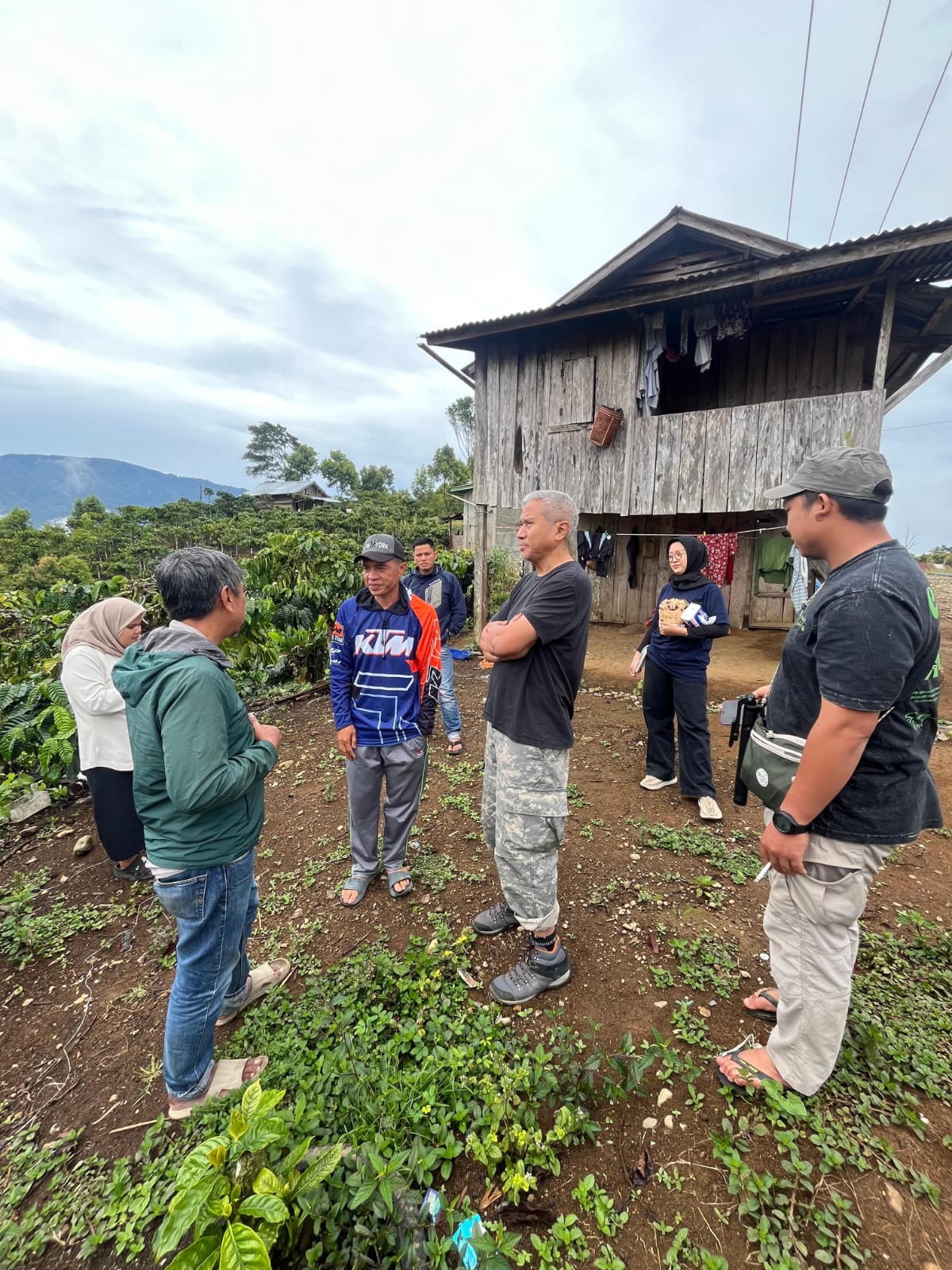
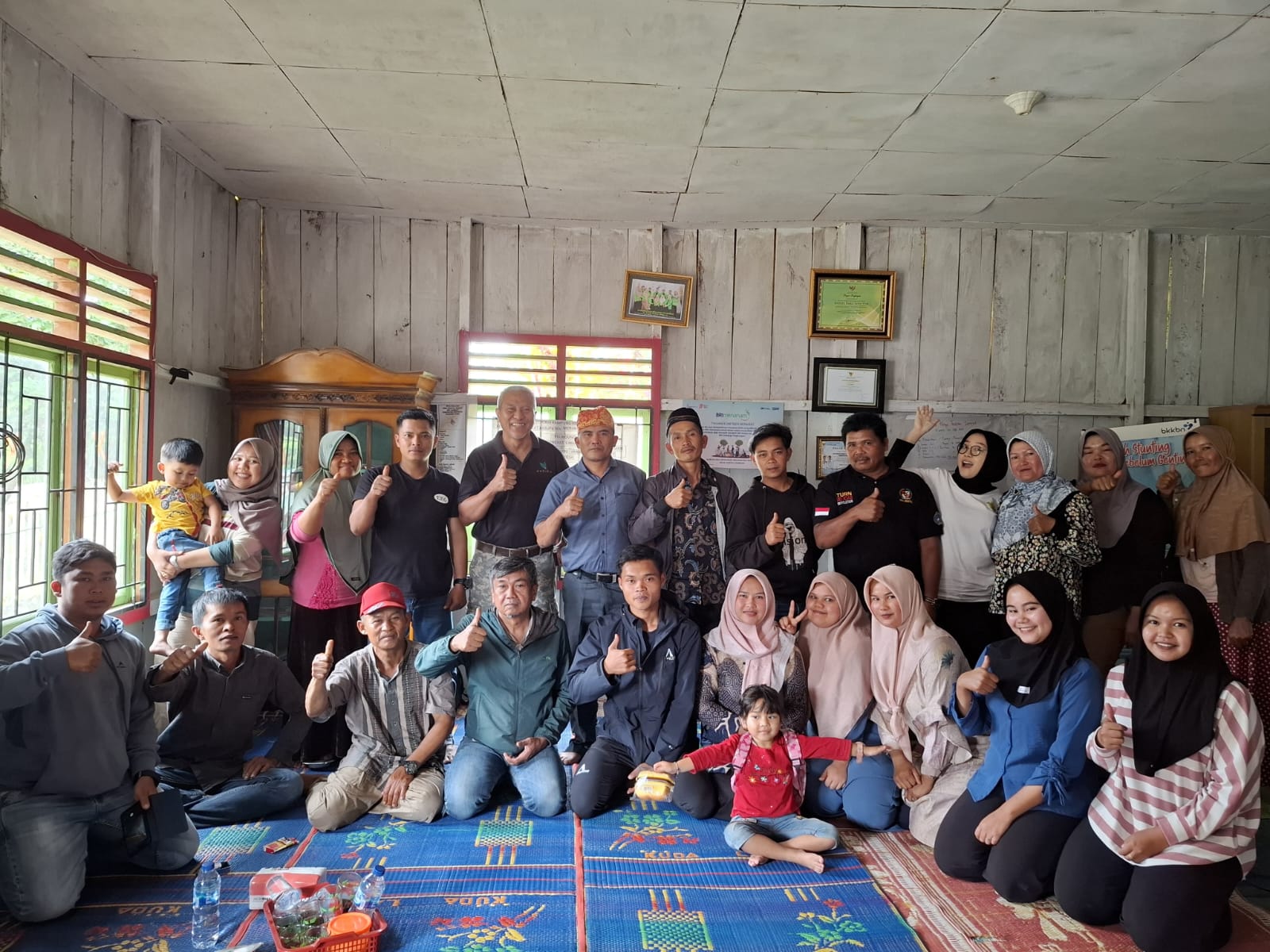
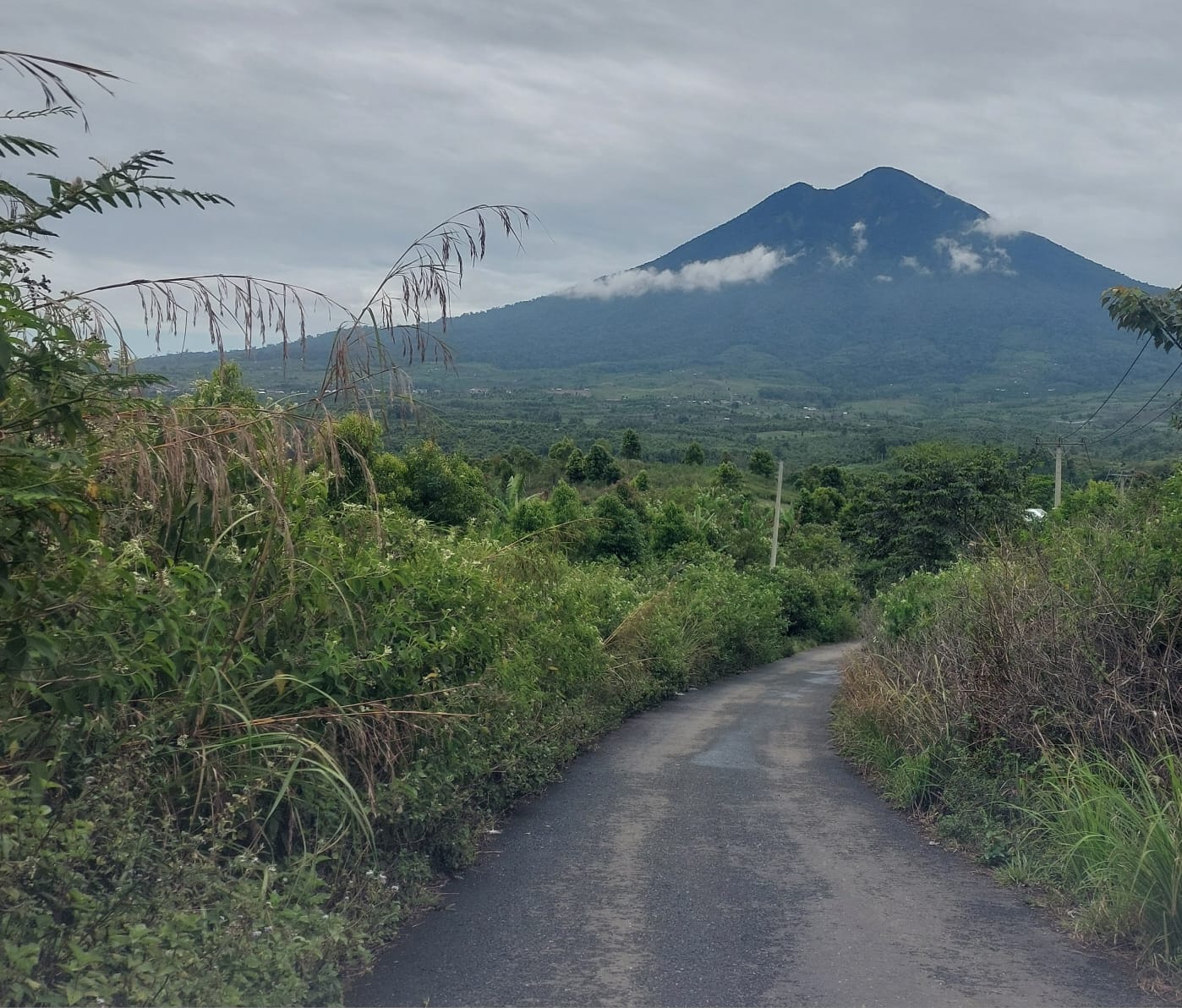
Back in 2024, our master coffee grader Mr. Daroe Handojo took on the role of advisor for sustainable coffee planting in two geographically and culturally significant areas of Indonesia—Kamojang in West Java and Serampas in Jambi.
This project wasn’t just about growing coffee; it’s about nurturing ecosystems and empowering communities. It represents a vital partnership between local expertise and global commitment to environmental sustainability.
Global Support for Local Impact
The initiative is generously funded by the United Nations Environment Programme, channeled through a dedicated and impactful non-governmental organization: the Non Timber Forest Products Exchange Programme (NTFP-EP), which is headquartered in the Philippines. This international backing underscores the critical role that sustainable Indonesian coffee plays on the world stage, both economically and ecologically.
The Heart of the Work: Farmer Empowerment
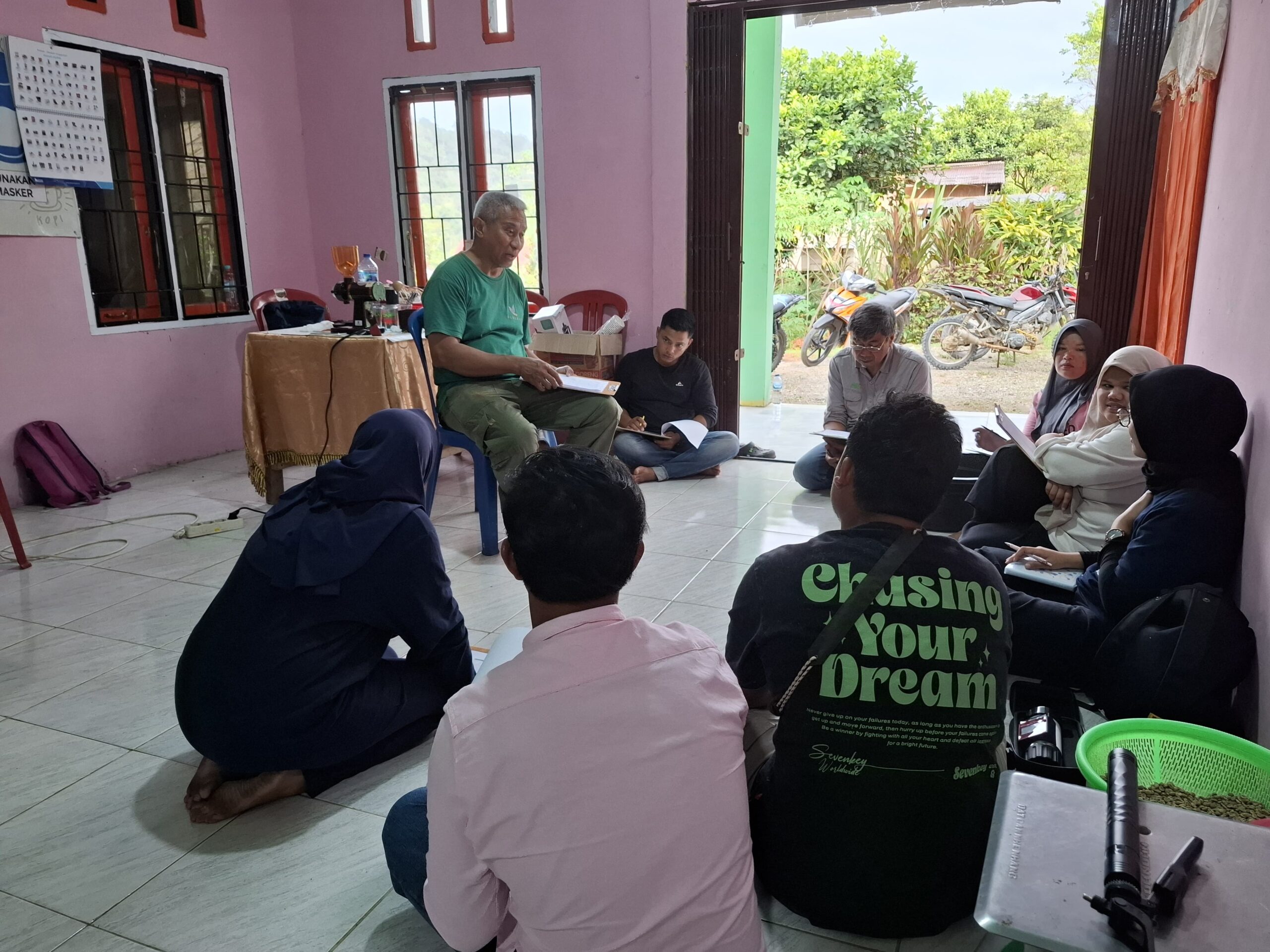
Mr. Daroe’s core activities involve direct mentorship and technical assistance to local coffee farming communities. The focus is deeply practical and hands-on, covering two essential phases of the coffee lifecycle:
- Sustainable Cultivation Practices (Budidaya): Guiding farmers on techniques that improve yield and quality while maintaining soil health, biodiversity, and water conservation—moving away from practices that harm the forest environment.
- Efficient Post-Harvest Processing (Paska Panen): The second crucial element is training on post-harvest methods. The goal is to maximize the value of the harvested cherries through efficient processes that are strictly environmentally friendly. This includes optimizing water use and managing waste responsibly, ensuring every step, from bean to cup, respects the environment.
A Diplomatic Hand in Sustainability
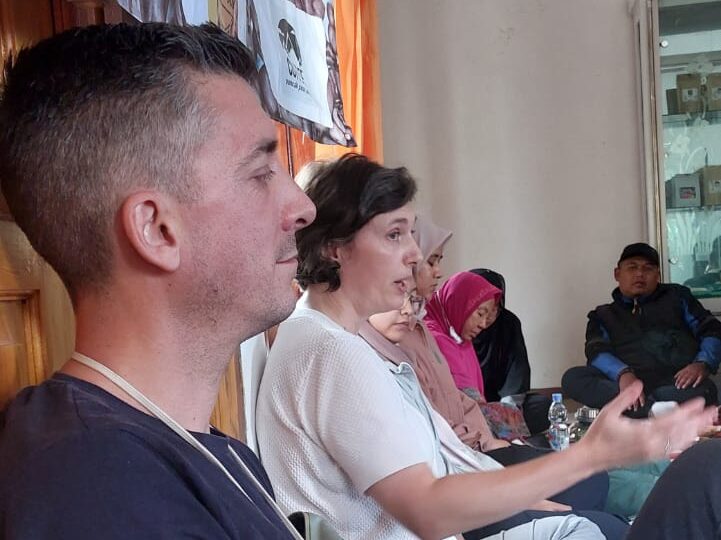
The project has also garnered high-level diplomatic recognition, benefiting from the strong support of the Swiss Ambassador. This support is a testament to the international confidence in Indonesia’s capacity to lead on sustainable agriculture and forestry, particularly in the critical coffee sector.