The Journey of Coffee: From Ancient Discovery to Global Culture
Coffee is far more than a daily beverage, it is the product of a remarkable journey through history, geography, and culture. Tracing coffee’s path from its early discovery in Africa, through its adoption in the Arab world, its rise in Europe, and its place in contemporary society reveals why coffee holds such enduring cultural and sensory significance. For both newcomers and seasoned enthusiasts, understanding this history adds depth and meaning to every cup.
Origins of Coffee in Ethiopia
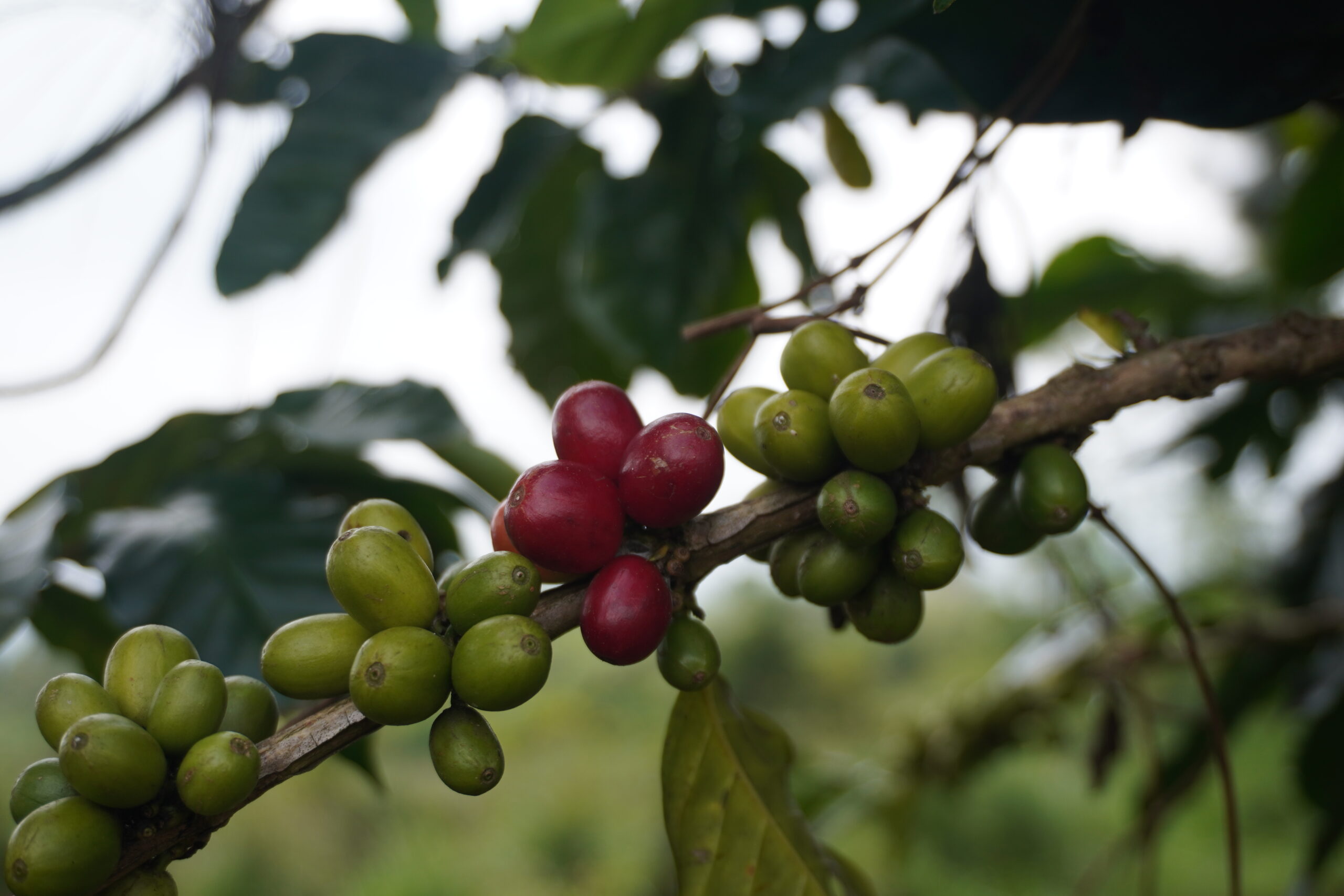
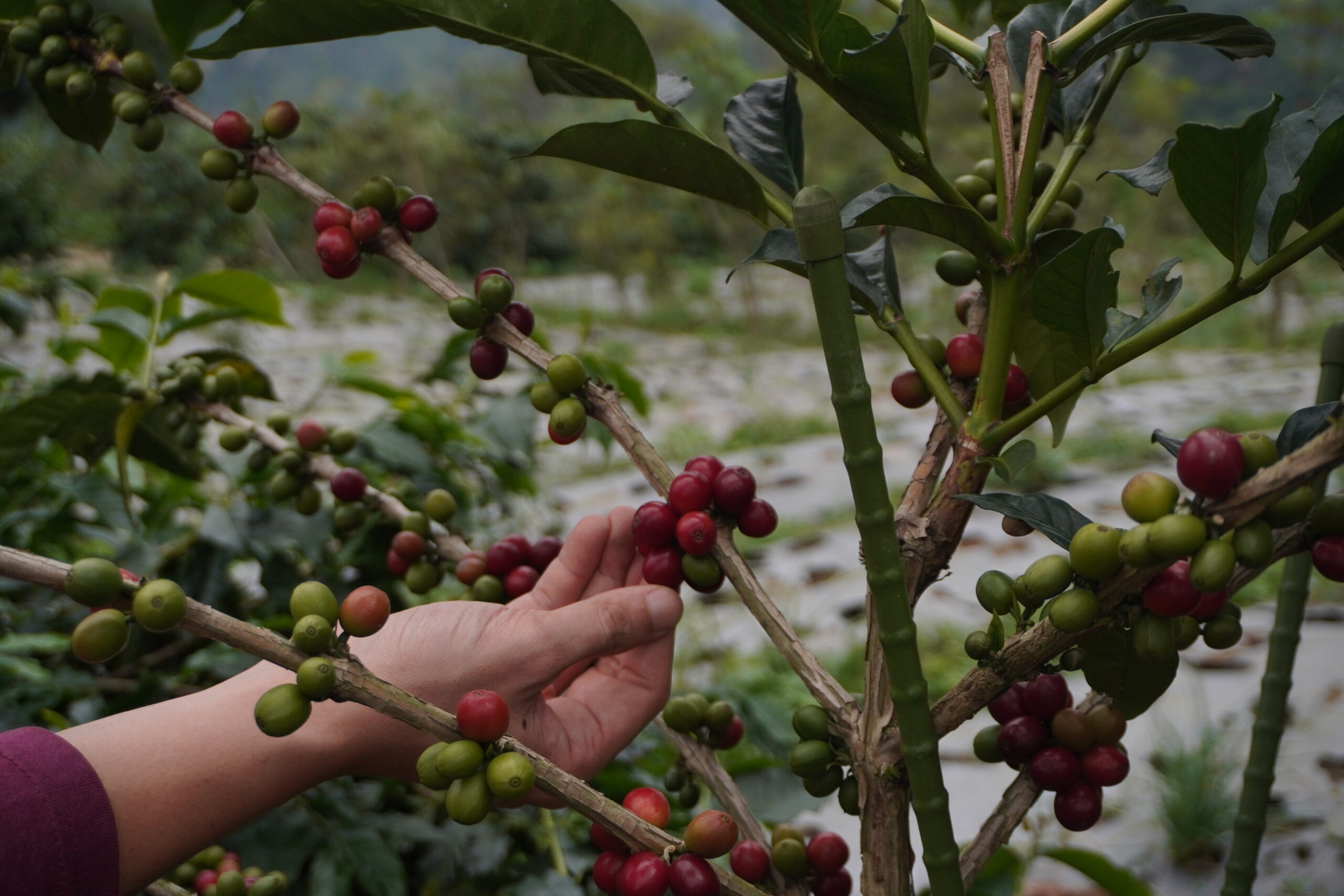
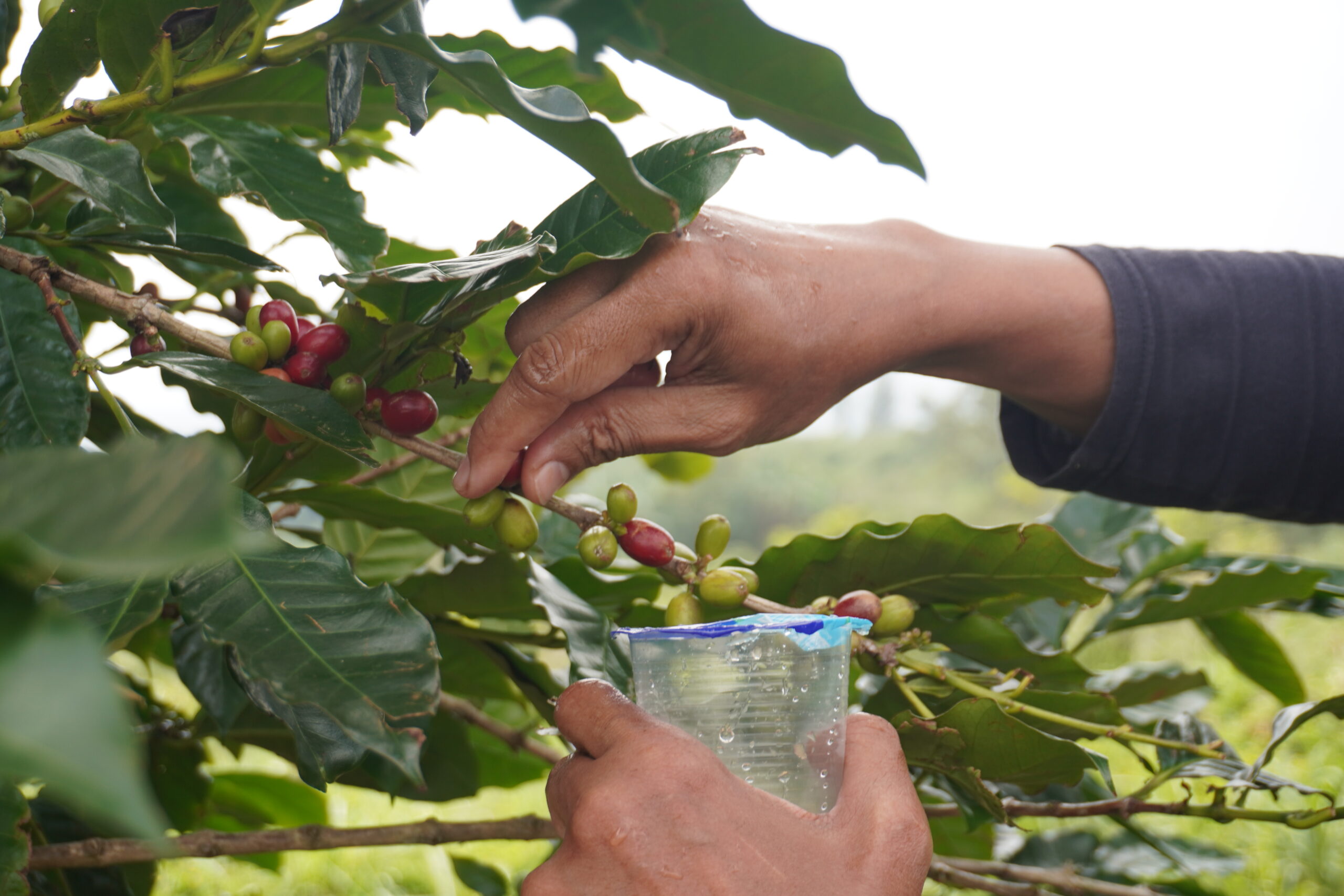
The story of coffee begins in the highland forests of Ethiopia, where legend speaks of a goatherd named Kaldi who observed his goats becoming unusually energetic after eating bright red cherries from a wild plant. Intrigued, local communities began experimenting with these cherries, chewing them or soaking them in water and gradually discovered their stimulating effects. These early encounters marked the first steps in coffee’s transformation from a wild fruit into a cherished drink that would later connect cultures across the world.
Expansion Through the Arab World and the Birth of Coffeehouses
From Ethiopia, coffee traveled across the Red Sea to the Arabian Peninsula, finding fertile ground in Yemen. There, it became closely associated with spiritual practice, as Sufi communities used coffee to remain alert during extended nights of devotion. The port city of Mocha emerged as a major center of coffee trade, spreading its influence far beyond the region.
As coffee consumption grew, coffeehouses known as qahveh khaneh began to appear. These establishments served as vibrant social spaces where people gathered to converse, exchange ideas, listen to music, and share stories. Coffeehouses quickly became cultural institutions, reinforcing coffee’s role as a catalyst for social connection rather than merely a source of energy.
Coffee Reaches Europe and Shapes Café Culture
By the seventeenth century, coffee had made its way into Europe, where it was initially met with curiosity and skepticism. However, its rich aroma and stimulating qualities soon won widespread acceptance. Coffeehouses flourished in cities such as London, Paris, and Vienna, becoming important centers of intellectual and social life.
These cafés were more than places to drink coffee, they were environments where political thought, artistic movements, and philosophical discussions took shape. The ritual of grinding, brewing, and savoring coffee became embedded in daily routines, with each city developing its own café traditions and customs.
Coffee in the Modern World
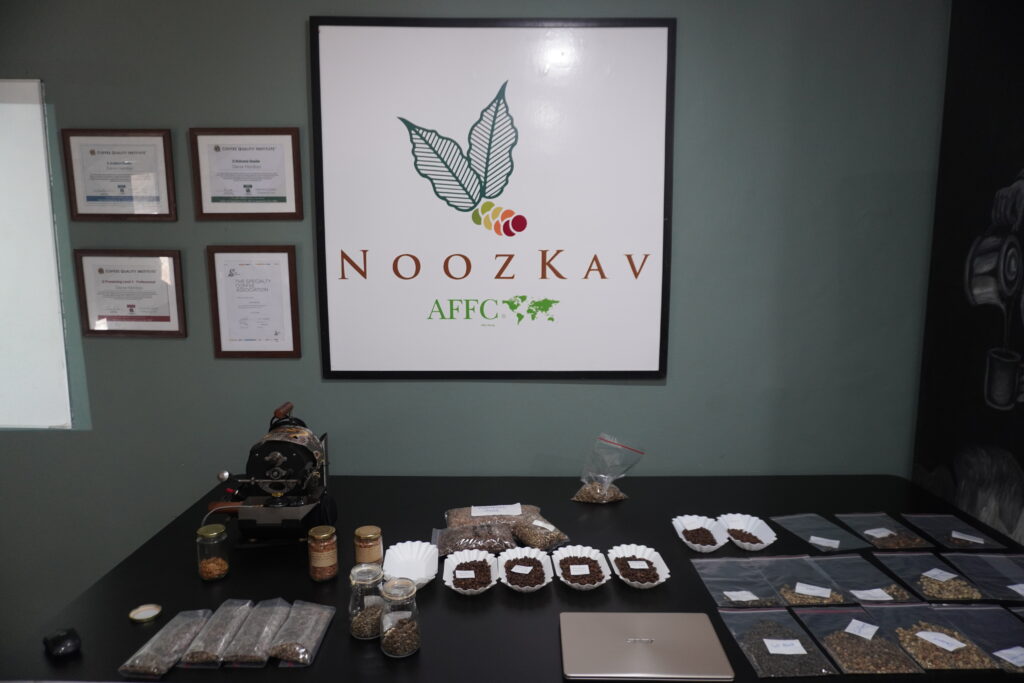
Today, coffee is a global staple enjoyed in countless forms, from intense espressos to smooth lattes and refreshing cold brews. Modern coffee culture emphasizes craftsmanship, traceability, and precision, with growing attention to bean origin, roasting profiles, and brewing methods. Cafés continue to function as spaces for creativity, collaboration, and quiet reflection. For those interested in how these elements come together in practice—from origin to cup—initiatives like Noozkav illustrate the importance of quality control and roasting expertise, while broader perspectives on origin and supply chains can be explored through ASLI Group’s overview of Indonesia’s diverse coffee landscape.
Source & Credit : World Coffee Beans