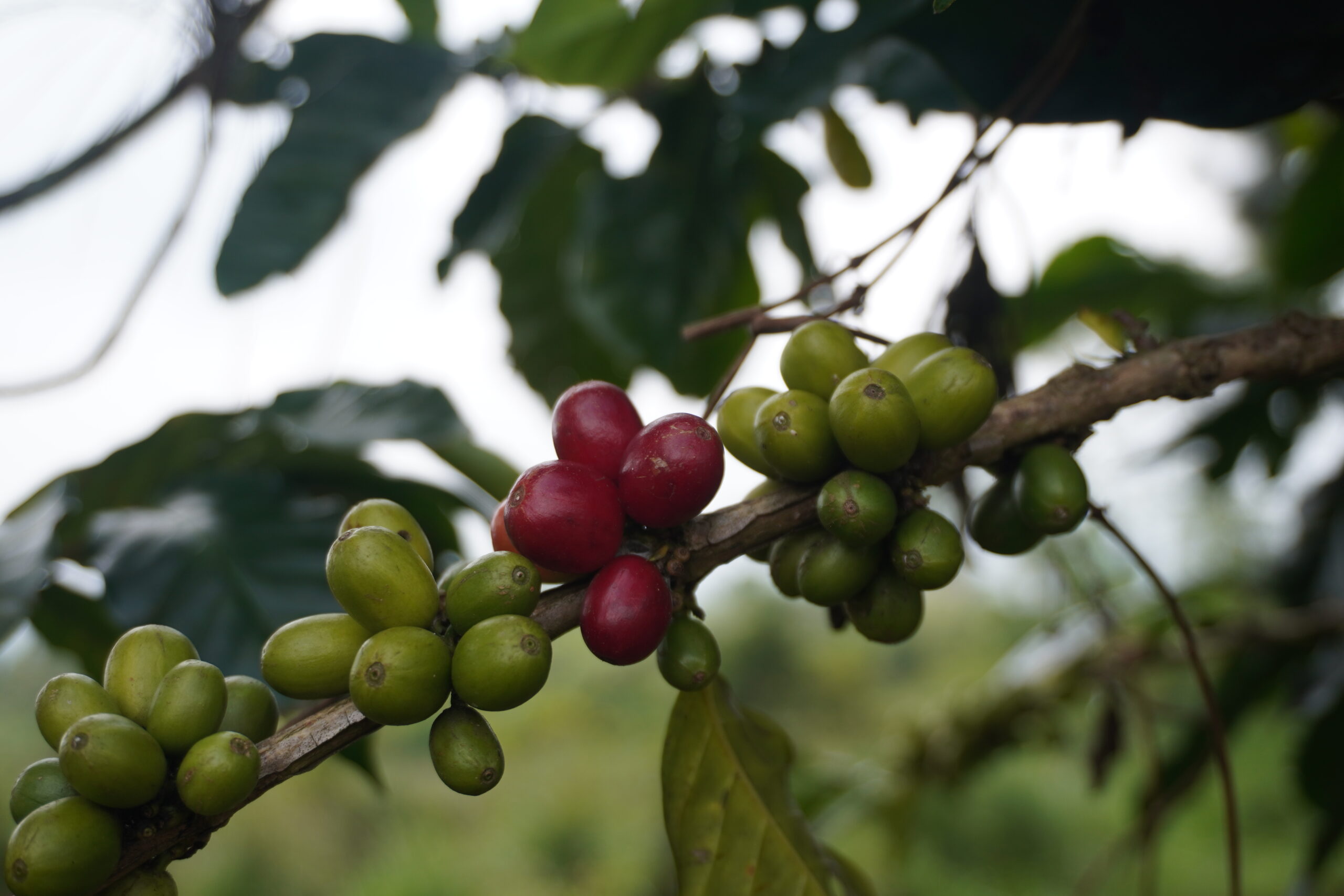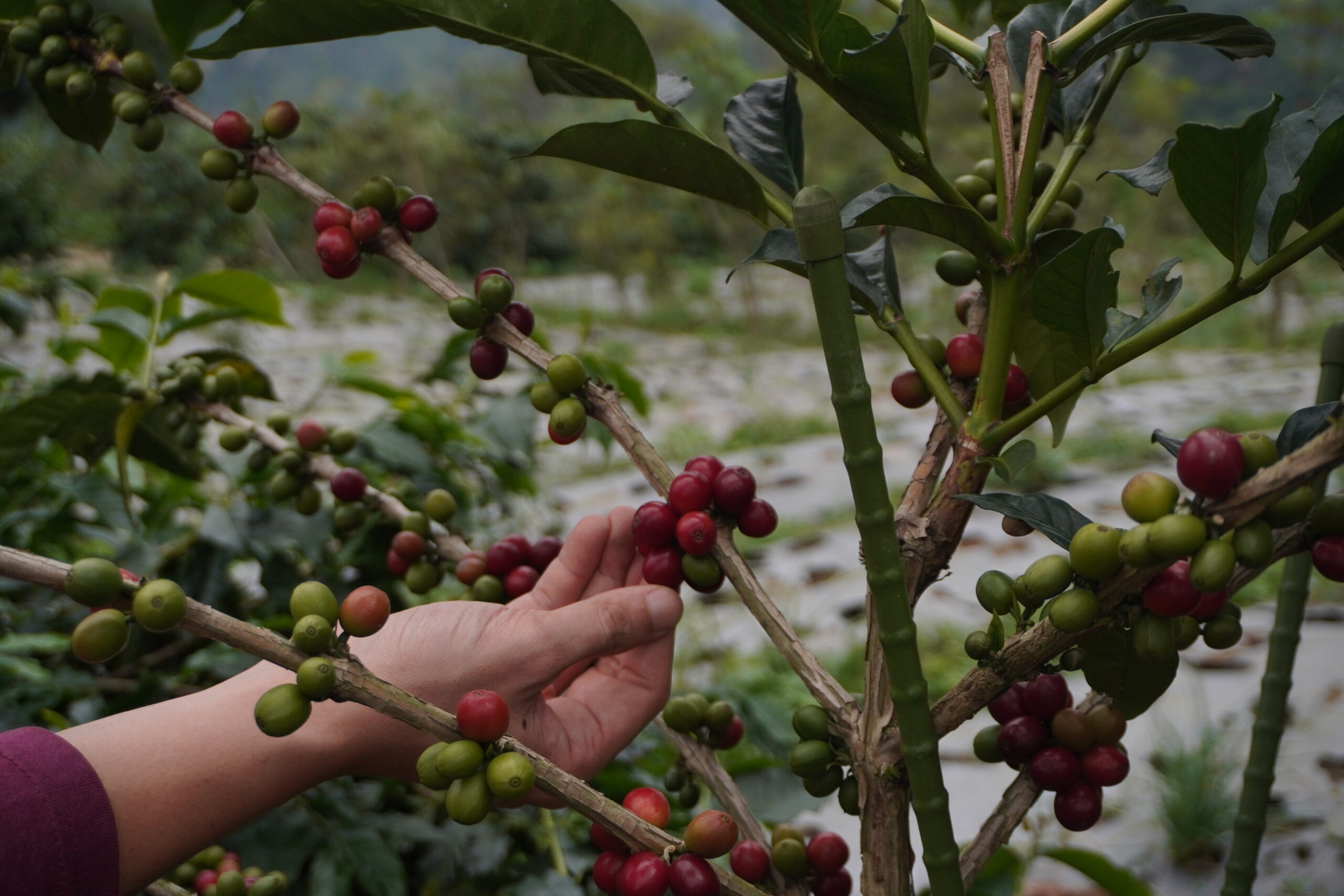
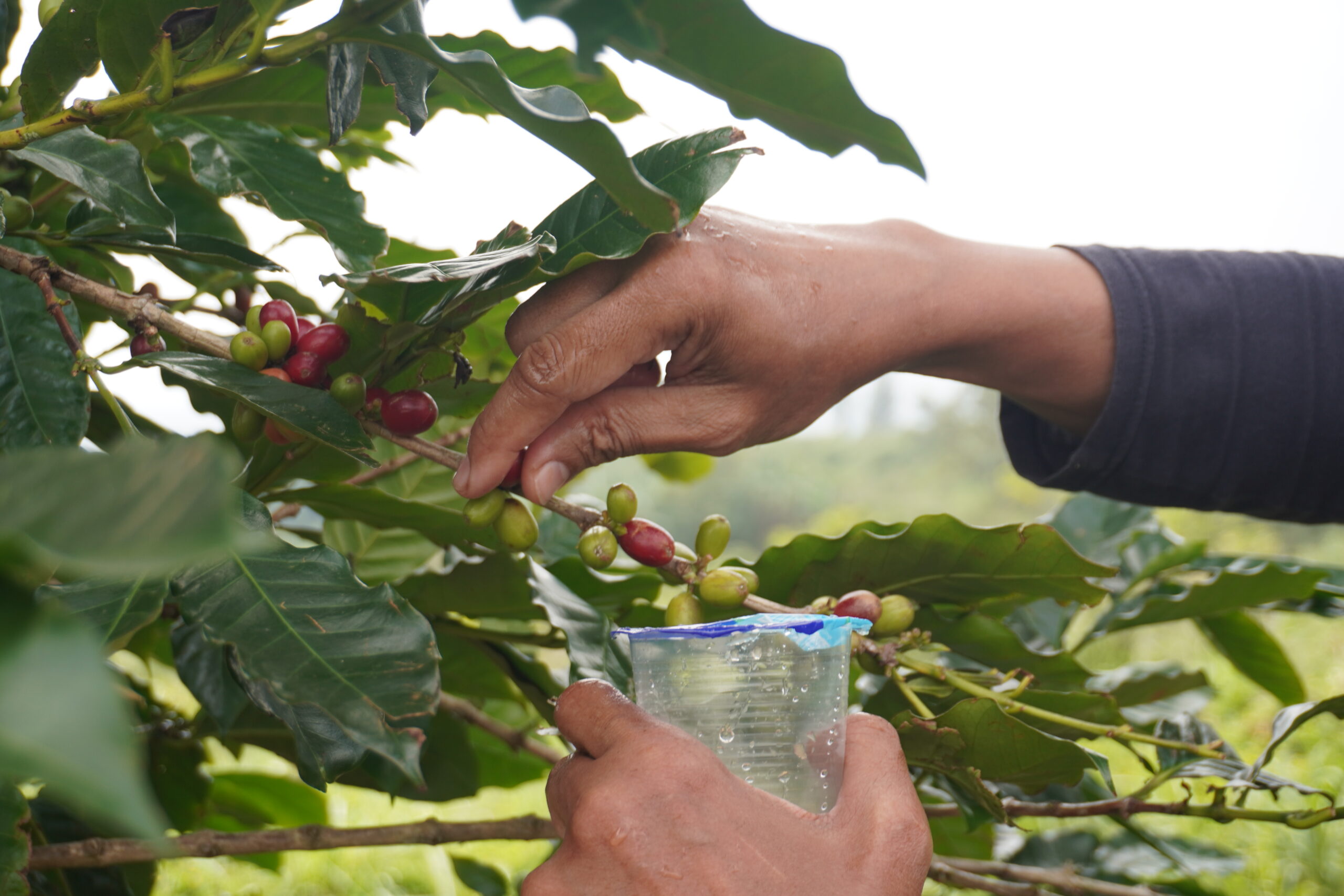
Kintamani, Bali, is widely known for its dramatic landscapes and rich cultural heritage. Beyond its natural beauty, the region also produces one of Indonesia’s most distinctive coffee origins: Arabica Bali Kintamani. More than a commodity, this coffee reflects a close relationship between nature, tradition, and sustainable agriculture.
Understanding origin-based products like Kintamani coffee offers valuable insight into how Indonesia’s agricultural landscape continues to evolve.
The Origins of Kintamani Coffee
The Kintamani District sits in the highlands surrounding Mount Batur. This area provides a unique microclimate that supports the growth of Arabica coffee. The region’s volcanic soil and cool temperatures shape the coffee’s clean and vibrant character.
Unlike many Indonesian coffee varieties introduced during the Dutch colonial period, historical accounts suggest that Kintamani coffee developed through the movement of coffee plants from Lombok. Over time, local farmers adapted cultivation practices to suit the region. This process helped form a strong sense of origin that continues to define Kintamani coffee today.
Cultivation Rooted in Sustainable Practices
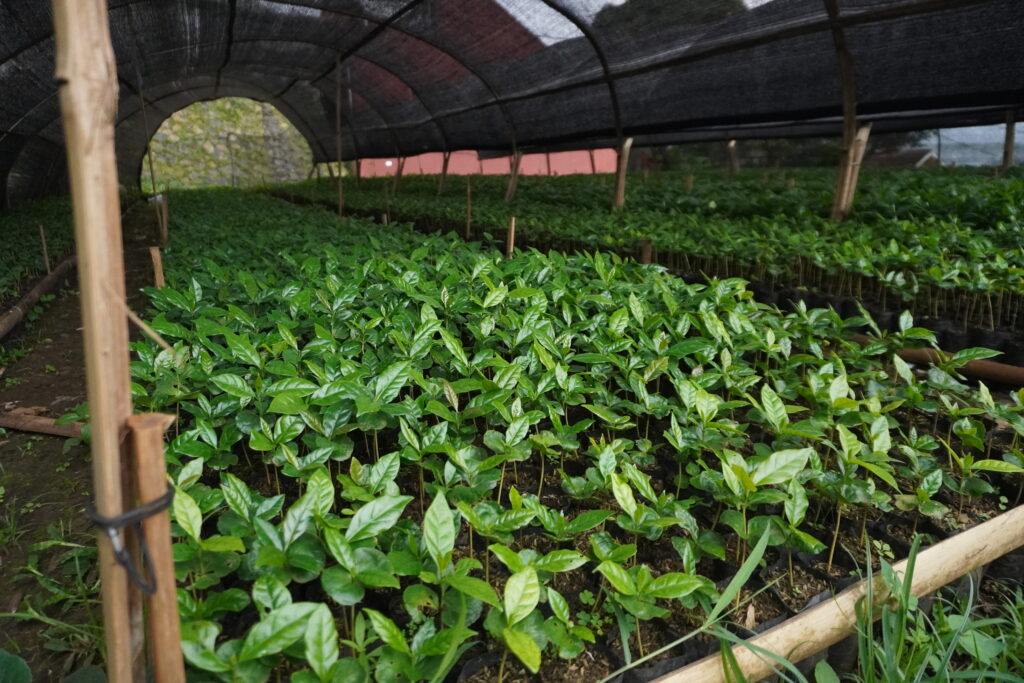
Farmers cultivate Kintamani coffee at elevations of around 900 meters above sea level. They grow coffee plants alongside vegetables and fruit trees, creating an integrated farming system. This approach supports soil health and reduces dependence on chemical inputs.
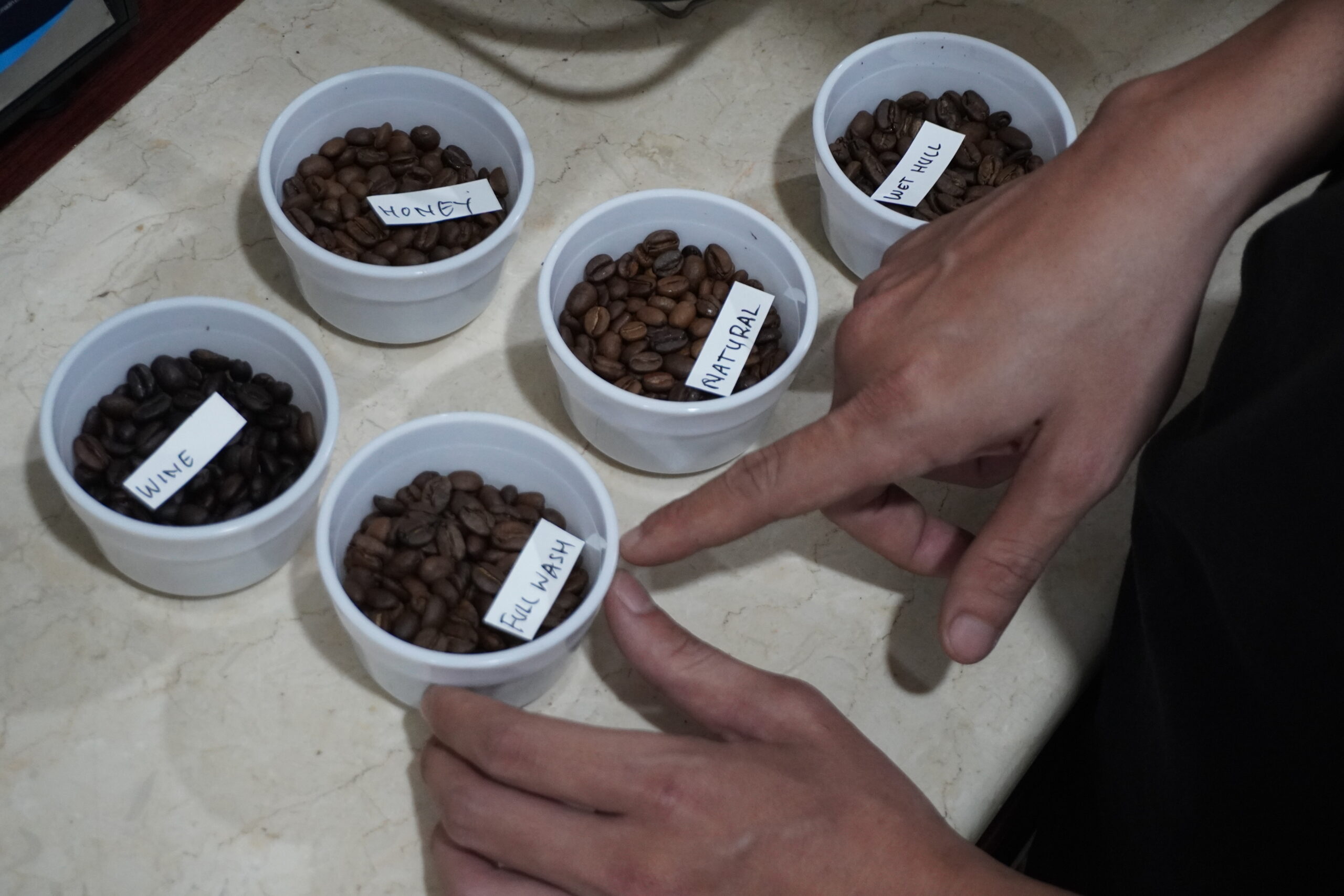
Producers in Kintamani primarily use the wet, or washed, processing method. They remove the coffee beans from the fruit shortly after harvesting. This method differs from the dry process used in many other parts of Indonesia. Careful fermentation and washing result in clean green beans with consistent quality and clarity of flavor.
A Distinctive Flavor Profile
Arabica Bali Kintamani delivers a cup profile that stands apart from many Indonesian coffees. The coffee offers bright citrus notes and a medium body. It finishes clean, without the heavy or spicy aftertaste often associated with other regional varieties.
Sweet and fruity characteristics dominate the flavor profile. Subtle chocolate-like undertones add balance and depth. Together, these elements create a cup that feels fresh, approachable, and well-structured.

Brewing Methods That Highlight Its Character
Kintamani coffee adapts well to different brewing methods. Many locals prepare it by grinding the beans and brewing them directly with hot water. This traditional method produces a comforting and familiar cup.
Modern brewing techniques also bring out its complexity. Methods such as V60 highlight the coffee’s citrus notes and gentle sweetness. These approaches reveal the clarity that defines washed Kintamani coffee.
Tri Hita Karana: Philosophy Behind the Process
Kintamani coffee production closely reflects the Balinese philosophy of Tri Hita Karana. This philosophy emphasizes harmony between people, nature, and spiritual life. Farmers apply these principles throughout the cultivation process.
They avoid synthetic chemicals and focus on organic farming methods. This commitment helps preserve environmental balance and supports long-term sustainability. In 2008, authorities awarded Kintamani coffee a Geographical Indication (GI) certificate. This recognition strengthened its position as a protected and internationally respected origin.
Kintamani Coffee in the Global Context
Arabica Bali Kintamani represents more than a regional specialty. It highlights the growing global interest in traceable, origin-driven agricultural products. As demand for responsible sourcing continues to rise, stories like Kintamani coffee offer insight into how quality and sustainability can move together.
For readers interested in learning more about Indonesian agricultural products and coffee origins, further insights are available at ASLI Pangan Indonesia.